I Believe in You
Date: 23 March 2026
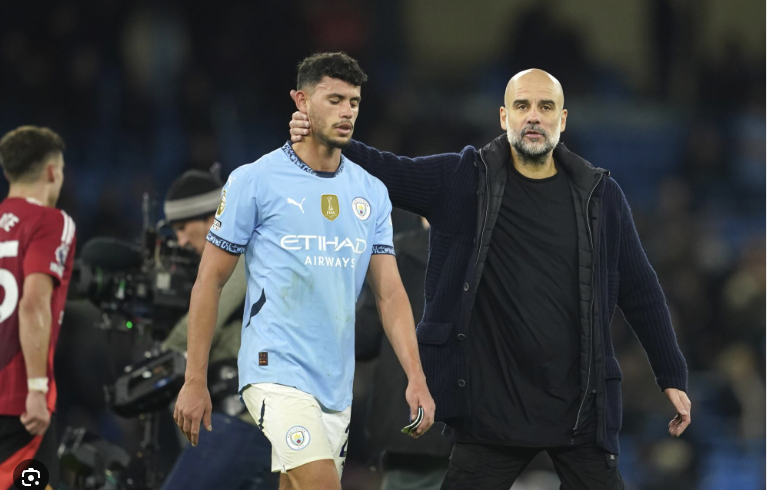
I recently saw a post featuring a viral clip from University of Maryland women’s basketball’s NCAA Tournament second-round preparations on 22 March 2026, capturing University of Maryland women’s coach Brenda Frese intensely motivating star guard Oluchi Okananwa during a timeout, lip-read as “I believe in you, but you’ve got to want this moment.” Okananwa, a standout Duke University transfer averaging 18.7 points and earning AP All-America Honorable Mention honors, later praised Frese’s tough-love approach in a follow-up interview, stating she “loves to be coached hard” daily, which has fueled Maryland’s 22nd tournament run under Frese.
Some people will agree with this approach and some may not. Regardless of the approach, it is the 4 words of ‘I believe in you’ that has stuck with me. I then asked myself, how many times have I told my teammate or a person that reports to me that I believe in them … and I do not mean during good times, but more importantly and more critically, during the bad times he/she/we are having.
We all have our bad times and as managers and leaders, our people will have their bad times. If you cannot support or encourage your people by saying ‘I believe in you’, then maybe it is time for a dialogue to understand the root cause of the ‘why not’, or it is time for a change.
Principles

Date: 15 March 2026
At the start of my career, my first Myers-Briggs test showed that my extroversion:introversion type (defined as how I get my energy) swayed heavily to introversion. I then received the first honest feedback from my boss after I was promoted to managing people, which was that the people who worked for me wanted to know that they were working for a human, someone like them. I am paraphrasing here as the feedback was 30+ years ago. He suggested I add pictures of my family at my desk, which I did not do, but the feedback has stayed with me throughout my career. Good or bad feedback, one that stays with you for so many years, is pretty powerful.
My next few sets of Myers-Briggs tests (I took 3 or 4 after the first test), still had me as an introvert, but slowly moving to the middle. I was making progress but I remember that it was very hard, both physically and emotionally draining at times. But I kept trying.
On reflection, this was the right feedback at the time and I am grateful for the honesty. The feedback helped me understand that I needed to connect with the people I was given the responsibility to manage and lead.
As my career progressed, my role as a manager and leader grew not to manage and lead for my small team, but as being part of executive committees, leadership teams, and a Board member, I was now making decisions with others on how to manage, lead and impact many people. This is where I really struggled in having a voice. All of a sudden I was surrounded by people so much technically smarter than I was, and my natural ‘introversion’ person came out in full force! What I mean by this is that my voice just went quiet and at times ‘silent’.
I then joined Bridgewater Associates, where I heard and learned of this concept called Principles. Ray Dalio, founder of Bridgewater Associates, ran the company by his ‘Principles’. Bridgewater is a tough place to work at, for reasons I will not get into here, but it was an experience that changed who I would become. That is because the concept of having Principles gave me a voice and the comfort of being an introvert.
My biggest fear in having a voice with people who were so much smarter than I was at the time, was that I did not want to be wrong. What I learned by using my own set of Principles, was that these personal Principles were what I believed in, the foundation that made me who I am and the guide on how I make my decisions. My mindset and conversations changed from ‘who is right’ to ‘this is what I believe in, this is how I make decisions’. I, or my ‘voice, no longer worried about being right or wrong, but instead I would open a dialogue on the Principles I, or we, would use to make a decision. This helped me find my voice!
But it did not stop there. One of the key concepts I learned from working at Bridgewater was that it is easy to agree on Principles at 30,000 feet, but until you have a dialogue on what you mean by your headline Principle (30,000 foot Principle), you will never get in sync on the Principle. Let me give you an example - I am sure most of us will agree that having transparency is a Principle that we should have at work. We want transparency from an executive team and from each other. After all, transparency builds trust. But is your definition of transparency the same as mine? What if our review sessions were recorded and shared with others? This would fall in the principle of transparency, but how many of us would be comfortable with that? If you have a close knit team, that works to truly help each other get better, which in turn will make the team better, there could be huge value in this … if used the right way. You can have others see your strengths and weaknesses and help out where and when you need help, and where they may need help from your strengths. That being said, I know that this is not an easy type of transparency some people, if not most, will be comfortable with.
This is why Principles need context. We all come from different backgrounds, different life experiences, different family responsibilities and we are at different stages in life and career. For example, today I have zero problem if someone says to me that I am an a-hole, but know that my next question will be to explain why. In my earlier part of my career, I know that my mindset would not be this approach but having a set of principles has really changed who I am and how I look at work and life.
My key message here is to have dialogue with yourself and your team on what the headline Principle really means. This way the 30,000 foot headline will have an actual meaning to it. The headline Principles should never really change - We operate as a transparent organization - but the meaning of what transparency is, will continue to grow as you as a person, and/or your team, grows.
What to do next
Write your headline Principles on
How you live, or want to live life
How you want to be seen as a manager and leader
How you want to be as a parent
Review your Principles
Do not underestimate how challenging it will be to live your principles on a daily basis
Explain, give context, to your headline Principles
Review them to make sure they have enough detail that anyone can read them and know who you are
Do this with your team
Do not tell them your Principles, but have them write up their own Principles
You can always object or add any key Principle that may be missing
Powerful ideas (worth repeating again):
“The greatest enemy of learning is knowing”, John Maxwell
“Be who you are and do what you do, as long as you’re here for the team.” Pete Carroll
Do not look to shine, look to make the guy next to you shine, France Rugby team
“Don’t worry about the level of individual prominence you have achieved; worry about the individuals you have helped become better people.” - Clayton Christensen
“There is no limit to what a man can do if he doesn't mind who gets the credit” - Ronald Regean, a sign he kept on the Oval Desk
“The lessons we took from our playing days still feel just as relevant now: staying composed under pressure, leading with purpose, and surrounding yourself with great people.” - Dan Carter, NZ Rugby
Ideas are easy, execution is hard, a phrase we used at Builder
The two most powerful warriors are patience and time
You can learn more about this through Ray Dalio’s book called Principles. There is also the book called The Fund which talks about the other side of Bridgewater.
Who is flying, and landing, the plane?

Date: 09 March 2026
I have always enjoyed using the analogy of flying a plane to explain or clarify a complex or unfamiliar concept by comparing it to a familiar one (I also use ‘building a house’ at times).
Some examples of flying a plane, I or others have used:
Building a ‘hyper-growth business’: Flying a plane while trying to fix it at the same time - used for a situation where a person or organization must develop, modify, or repair a critical project, system, or strategy while it is already in use or operational
Principles: At 30,000 feet, we all agree but you need to get to 20,000, 10,000, 5,000 feet to truly get in sync with each other - We can all agree on a ‘top line’ statement about culture or a principle, but because we are all different (different upbringings, backgrounds, beliefs, …), you really need to deep dive into the ‘top line’ statement to get to an understanding of how we each see the statement.
I will talk more about this in next week’s Thought-for-the-Week
Who is flying, and landing, the plane in your organization?
I have recently read several articles on executive hiring, team composition, and effective teams. The articles each highlighted the importance of having a diversity of abilities, skills and experience on the team. In other words, if the team is full of people with the same experience, how will the team perform when the situation calls for a different experience or perspective? If the team is filled with a diversity of experience, how will the team perform if there is not the respect for the attributes each person brings to the table?
The usual starting point - though I would argue the mandatory starting point - would be in the vision or goal one is trying to achieve. We are not all visionary; some of us cannot see past this week, let alone 2 years from now. We are not all motivational and effective communicators; the voice that will inspire and get people behind the idea or keep the energy level high when things look hard. This is the person that I say is flying the plane at 30,000 feet. He/She sees the future better than others can see it.
But what does it take to ‘land the plane’, and go from 30,000 to 20,000 to 10,000 to 5,000 feet to touch down. It will most likely take different abilities, skills and experience. This is where the diversity of the team pays off. Here is where you may want, and need, the detailed oriented person, the stakeholder manager, the project manager, the engineer, … The point being is that the person flying the plane at 30,000 feet may not be the right person to land the plane.
Of course, there are exceptions where you have that one ‘unicorn’ individual that can do it all, but this is most likely not the norm, and is a risky long term strategy. There is also a balance. Sometimes we do not know how much we can achieve, but the person flying the plane sees what is possible and pushes us to achieve things we did not realize we could achieve. One other factor is that we all have different risk appetites. So how do you as a leader manage this?
Set the goal, guide the team, support and motivate the team, lean in and get your hands dirty when your experience and/or confidence can help the team get unstuck. But know when to hand off to the next level. You do not have the confidence in the hand off to the individual or team, then you did not build the right team.
Powerful ideas:
“The greatest enemy of learning is knowing”, John Maxwell
“Be who you are and do what you do, as long as you’re here for the team.” Pete Carroll
Do not look to shine, look to make the guy next to you shine, France Rugby team
“Don’t worry about the level of individual prominence you have achieved; worry about the individuals you have helped become better people.” - Clayton Christensen
“There is no limit to what a man can do if he doesn't mind who gets the credit” - Ronald Regean, a sign he kept on the Oval Desk
“The lessons we took from our playing days still feel just as relevant now: staying composed under pressure, leading with purpose, and surrounding yourself with great people.” - Dan Carter, NZ Rugby
Ideas are easy, execution is hard, a phrase we used at Builder
The two most powerful warriors are patience and time
The Wright brothers
Date: 02 March 2026
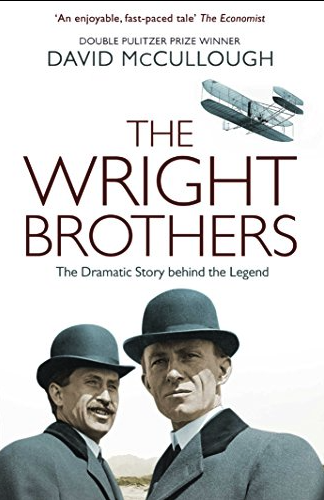
I read a review of the book The Wright Brothers by David McCullough, author of 12 major books and winner of two Pulitzer Prizes, which made me want to read the book.
What caught my eye of the review was that the Wright Brothers would have fierce conversations and debates with each other, yet somehow they stayed together as a team to achieve one of the most amazing accomplishments in the 20th century. This interested me because there have been so many times where I either have seen or been involved in fierce ‘debates’ (more on the use of the word ‘debate’ later) with senior colleagues or peers, and I wanted to know how the two brothers managed these situations, and what I can learn from them.
As with any David McCullough books, it is well worth reading. The Wright Brothers story starts from humble beginnings, fighting through trials and tribulations, being resilient in defeat, never diverging from the overall goal and outcome and continuing to stay humble, even after fame and success.
So what did I learn on how to have fierce debates or conversations, yet continuing to respect each other and stay together as a team? Unfortunately, the book did not really expand on this as it just was who they were. One excerpt from the book is from Charlie Taylor, their first employee at their bicycle shop:
“According to Charlie Taylor, they were never really mad at each other. One morning after one of their ‘hottest’ exchanges, he had only just opened the shop at 7AM as usual when Orville came in saying he “guessed he’d be wrong and that they ought to do it Will’s way.” Shortly after, Wilbur arrived to announce that he had been thinking it over and “perhaps, Orv was right.” The point was, said Charlie, “when they were through … they knew where they were and could go ahead with the job.”
I get the following out of this description
At times, we just need time to process the conversation. During the conversation, we may not be in the right ‘emotional’ state of mind, but time will help us process our and other's views and thoughts. We can always go back to continue the conversation,
Listening. There is just not enough emphasis on the power of listening, and being heard. This is not easy, it takes a lot of work. Two actions that I have done to help me really learn this skill
Don't juggle your prejudices. We all have prejudices. Before forming an opinion, ask yourself if you are juggling your prejudices.
Instead of interrupting the speaker, write your thoughts or questions on a piece of paper so you can remember and ask later. This helps you focus on what is being said, as opposed to trying to remember what you want to say. Sometimes the person you are speaking with needs time to bring together their point or story, so listen first
I also have learned to set the situation and mindset to have a dialogue as opposed to a debate or discussion
Debate - a formal discussion on a particular matter in a public meeting or legislative assembly, in which opposing arguments are put forward and which usually ends with a vote. In other words, someone has to win
Discussion - the action or process of talking about something in order to reach a decision or to exchange ideas … but in a work setting, it is usually a lopsided discussion between a supervisor and subordinate.
Dialogue - take part in a conversation or discussion to resolve a problem. I just find this word being more well balanced and not to be lopsided.
For your next dialogue, or whatever words you want to use or however you want to describe it, just make sure everyone is listening, especially you if you are viewed as a leader, everyone has a say and you stay focused on the topic at hand (don't go down the wrong rabbit hole)
Here are some other experts fo the book which I found to be Powerful Ideas:
Wilbur - If I were giving a young man advice as to how he might succeed in life, I would say to him, pick out a good father and mother and begin life in Ohio.
Orville - the greatest thing in our favor was growing up in a family where there was always much encouragement to intellectual curiosity
It was not luck that made them fly: it was hard work and common sense: they put their whole heart and soul and all their energy into an idea and they had the faith
Orville & Wilbur - “The best dividend on the labor invested, have invariably come from seeking more knowledge rather than power
Bishop Wright (father) - “We learn much by tribulation, and by adversity our hearts are made better.”
Post an argument, a letter written by Wilbur to Octave Chantue (was a French-American civil engineer and aviation pioneer. He advised and publicized many aviation enthusiasts, including the Wright brothers. At his death, he was hailed as the father of aviation and the initial concepts of the heavier-than-air flying machine) - Plainly wishing the dispute to be resolved, Wilbur closed his note to Chantue on a warmer note. “If anything can be done to straighten matters out to the satisfaction of both you and us, we are not only willing, but anxious to do our parts.
I believe that unless we understand exactly how you felt, and you can understand how we felt, our friendship would tend to grow weaker instead of stronger. Through ignorance or thoughtlessness, each would be touching the other’s sore spots and causing unnecessary pain. We prize to highly the friendship which meant so much in the years of our early struggles to willingly see it worn away by uncorrected misunderstandings, which might be corrected by frank discussions.
Sunrises

Date: 15 February 2026
We have all been there, and I am sure it has happened many times … failure, not being 80% there, things just not clicking, just struggling for whatever reason, and so on.
This happened to me the other day, things were just not clicking as they have done in the past. I was actually even improving on my task and goal, but for some reason, I was going 3 steps back that day. I could have just ‘called it an early day’, but if I did that, I would be letting down the others that needed me there - good or bad, they needed me there. So I had to persist … not because of me, but because of them.
So what do I do when I have times/days like this?
In the moment: I focus on the process that has gotten me to where I am. I believe in the process to get me out of my rut. Post the task, I will reflect on the process to question if anything needs to change or if I need further help.
Post the moment: I get a good night's sleep. Over time, I have realized that I sometimes need to give myself a break, not be too hard on myself, but instead reflect on what I can learn from those moments, where I can improve, or simply say - it was just one of those days.
The best thing about a sunrise, is that it means it is a new day.
I also try to think long term, not get burnt out and keep things in perspective.
Here is an article from the NY Times on some other tips that high performing athletes use to help them with disappointment. I take excerpts on what I think are the key points
What Olympians Can Teach Us About Disappointment
Learning resilience
For top athletes, grappling with failure is a job requirement, said David Fletcher, a professor of human performance and health at Loughborough University in Britain. A key difference between the best athletes and the rest of us is that they see challenges as opportunities for growth rather than threats, he said.
While being naturally optimistic or conscientious helps, researchers say that to some extent, resilience can be learned.
The power of purpose
Research suggests that people who have a sense of purpose in life deal with stress more effectively. Dr. Gervais has athletes identify their goals beyond winning, such as achieving personal growth or representing a marginalized group. When an athlete’s motivations feel anchored to something bigger than medals, he said, “disappointment is painful, but it’s not terminal.”
Having multiple bars to measure success can help athletes to hedge against disappointment, Dr. Fletcher said, adding that the best athletes set what are known as process-oriented goals, meaning those within their control, as opposed to just performance-oriented goals, which are based on results. If they lose a race, they can still say they achieved other goals, like improving their technique, pacing or fueling strategy.
Grit as a team effort
It’s also critical to have supporters who care about the athlete as an individual, not just a performer, said Lauren Loberg, a mental performance coach who works with Olympians.
Acceptance is the goal
Today, these athletes appear to have arrived at some semblance of acceptance. If coming in ninth or fifteenth in the Olympics is “a low, you’ve got to put things in perspective,”
Powerful ideas:
Quotes from Sydney Harris
“Never take life seriously. Nobody come out alive anyway”
“Happiness is a direction, not a place”
“It’s surprising how many people go through life without ever recognizing that their feelings toward other people are largely determined by their feelings toward themselves, and if you’re not comfortable within yourself, you can’t be comfortable with others.”
“If a small thing has the power to make you angry, does that not indicate something about your size”
Intention

Date: 03 February 2026
As a manager and leader, there will always come a time when a ‘tough’ conversation needs to happen. What a ‘tough’ conversation is will be based on how we each define it, who you are having the conversation with, how much experience one has in having these conversations and of course the situation of the person ‘across the table’. So how do you handle tough conversations?
There is no one method to use, as each conversation is situational; but there is a framework that I have found to be helpful, and that is knowing what your intentions are in having the conversation.
I have always found it helpful to set my mind frame to understand the intention I want to have out of the ‘tough’ conversation. In doing this, I find that my intention will guide me in finding the right words to say. The conversation will still be difficult, but taking the time to think through your intentions will make your words honest and help lead you to achieving your intentions.
Depending on the circumstances, it may help to have an experienced person with you to hear your words, see the reaction and help course correct if the words are not matching your intention. The goal is to grow as a leader, and hopefully an empathetic leader. Sometimes to achieve this, it helps to have someone by your side.
The ‘difficult’ conversation also becomes easier if the person receiving the conversation, has been prepared - meaning that they have received meaningful, objective and open (i.e. two way conversation) feedback. The longer you wait, because you think it will go away or become easier, the harder it gets (see video below)
Powerful ideas:
Norms arise out of core beliefs. These norms are deeply embedded within organizations and shape the unconscious, taken-for-granted behaviours that constitute the essence of organizational culture. - Edgar Schein, professor emeritus at MIT
“Choose the harder right, instead of the easier wrong”, West Point Cadet Prayer
Kara Lawson, Duke University Women’s Basketball coach: Handle Hard Better
The Pitt
Date: 23 January 2026
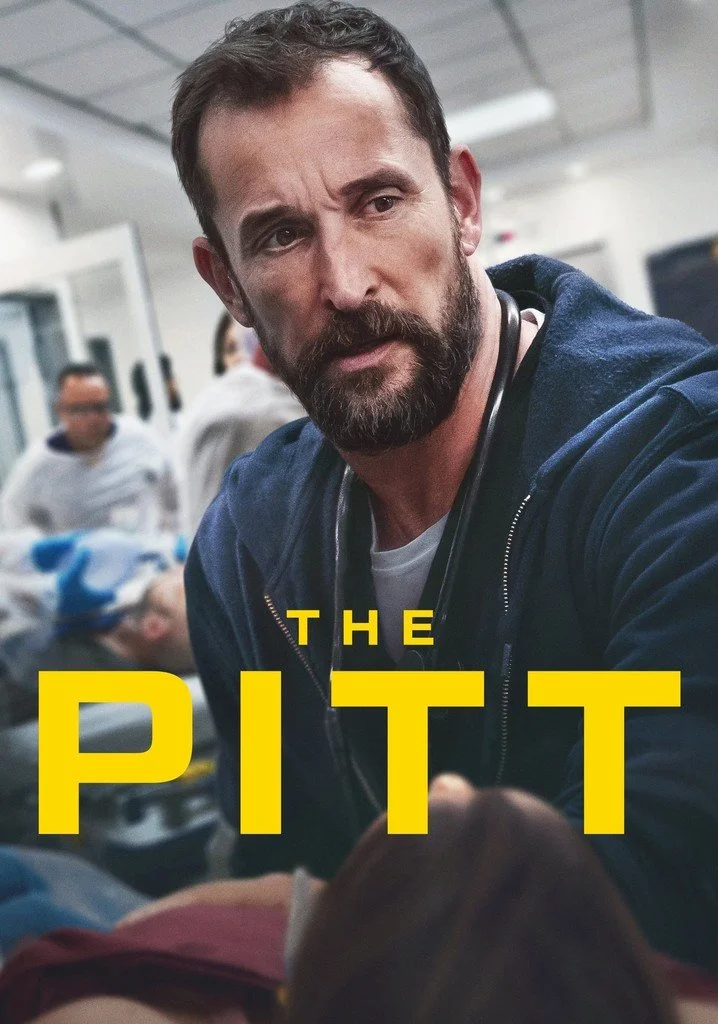
The Pitt is an American medical procedural drama television series. Each season of the series follows emergency department staff as they attempt to overcome the hardships of a single 15-hour work shift at the fictional Pittsburgh Trauma Medical Center, all while having to navigate staff shortages and underfunding. Each episode covers approximately one hour of the work shift. The series has received acclaim from critics for its performances, writing, direction, format, and realism. The series has also been praised by the medical community for its accuracy, realistic portrayal of healthcare workers, and addressing the psychological challenges faced in a post-pandemic world. (source: wikipedia).
The Pitt is not for everyone, as it touches on some tough topics and difficult situations that occur in a hospital Emergency room, which can be disturbing for some people. Besides the acting, the appreciation of what all hospital workers do for us, their sacrifices and so much more, there are so many valuable lessons that one can get out of this series. The one lesson we can all learn from this show is the lesson of giving and listening to feedback.
As you can imagine, an effective team of people, trying to save a life, need to effectively work together for the cause of saving that life. Pittsburgh Trauma Medical Center is a US teaching hospital, where there is constant teaching for interns and residents … as well as attending physicians. The doctor that is leading the initial diagnosis is shouting out his/her evaluation while others listen, question and learn. When time allows, there is a debrief on what went well and what did not go well. The feedback goes top down and bottom up.
This topic of live and constant feedback led to a conversation I was having with someone about what is needed to take feedback - thick skin or humility? One may guide you to say that you probably need thick skin at the start of your career, but what do you really learn from being thick skinned? Will the feedback ever penetrate your ‘thick skin’? Real learning comes from being humble in listening to the feedback, reflecting on it and objectively deciding what of the feedback is correct. Sometimes the process takes time to realize the learning, and sometimes it is an ‘ah-ha’ moment where you learn right away. Bottom line, it is in your control on whether to be thick skinned or humble.
Remember
PAIN (feedback) + REFLECTION (humility) = GROWTH
Time and reflecting
PAIN (feedback) + THOUGHTLESSNESS (thick skin) = NO GROWTH
Powerful ideas:
As a leader, you may not be saving lives like the Doctors in The Pitt, but know that as a leader you are impacting lives by your behaviour, actions and words.
Bonus powerful idea:
The lead song in episode 1 of The Pitt is called Baby by Robert Bradley’s Blackwater Surprise. If you want to start off your day (or a meeting) in the right way, listen to this song every morning. Make sure you make time to dance in the streets of NY, Berkeley, Sharon, Bozeman, Palo Alto, London, Dubai, Gurgaon, Frankfurt, Singapore, Tokyo, Sydney or wherever you are, as the early sun rises.
Robert Bradley's Blackwater Surprise - "Baby" - Live in Bloomington 12.31.05
The Magicians
Date: 19 January 2026
My Thought-for-this-Week was going to be about the TV series The Pitt and feedback, but after reading Heather Cox Richardson's, the American Historian and Professor of History at Boston College, daily blog called ‘Letters from an American’, I thought it best to share her blog with everyone here.
In her January 18, 2026 blog on substack, she writes about the heroes who are “flawed human beings choosing to put others before themselves, even at great cost, even if no one will ever know, even as they realize the walls might be closing in around them.” She highlights people like Dwight D Eisenhower, Anne Frank, John Hancock, Sitting Bull, Rosa Parks and of course Dr. Martin Luther King.
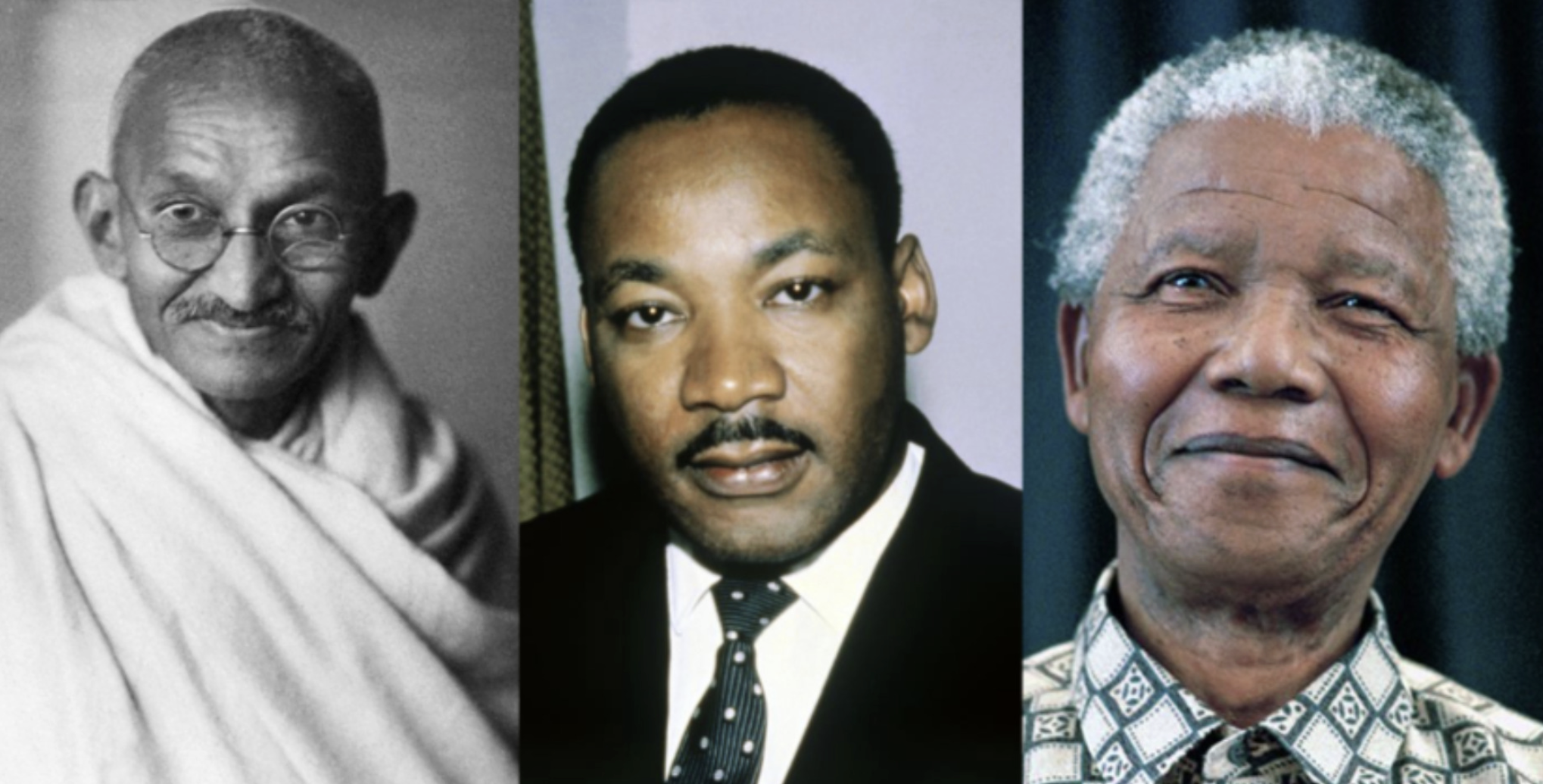
When I read any writing from or about Dr. Martin Luther King, I am reminded of a document Julia Noakes, an international corporate psychologist focused on executive team development and leadership shared with me at DB called ‘Stages of Leadership’. Based on research done by David Rooke and William Torbet, published in the Harvard Business Review, the document lays out the different layers of leadership one goes through, and the percentage of the population that achieve each state. You can also look at this as one’s development as they go through their career. It goes from the first stage of leadership - The Opportunist - to the final stage of leadership - The Alchemist … or as Julia described it, The Magician, which is how I like to describe it. In their research, only 1% of the studied population reached the Magician stage. Julia described this stage of leadership being accomplished by people like Gandhi, Nelson Mandela and Dr. Martin Luther King. The simple way I think about these Magicians was that their purpose was so much bigger than themselves.
We do not all have to be, or can be, a Dr. Martin Luther King, but as leaders we can all be Magicians to our families, friends and to the people whom we have been given the honor to lead.
Powerful ideas:
“ … that only when it is dark enough, can you see the stars.”, Dr. Martin Luther King
Norms arise out of core beliefs. These norms are deeply embedded within organizations and shape the unconscious, taken-for-granted behaviours that constitute the essence of organizational culture. - Edgar Schein, professor emeritus at MIT
“Choose the harder right, instead of the easier wrong”, West Point Cadet Prayer
If you would like a copy of the Stage of Leadership documents that was shared with me, feel free to message me.
The Pass
Date: 12 January 2026
I do not believe that there is one form of leadership ‘style’ that we all need to have or be like. A situation may call for a certain style that may not be you. A true and confident leader will see this and at times step back to let someone else lead. This is what I call the Leadership Pass.
My office set up changed over time. I now try to have a round table in my office. The reason why a round table is important for me, is because a round table does not indicate who the leader is. At times when I cannot have a round table, I then ensure that I do not sit at the head of the table, unless I need to lead. We cannot, nor should not, lead every situation. If we do, our team will never grow. We cannot, nor should not, take credit for success. If we do, our team will never feel valued.
Behaviours drive the culture of the organization. It is not the words that the leader or leadership team states, but it is his, her, their behaviors that drive the culture of the organization. If behavior does not follow the words said, then future words become empty. I have seen both sides of these behaviors. The leader that sets the right behaviors, and the leader that passes when they can and should, is the organization and culture that I have enjoyed being at and thrived in.
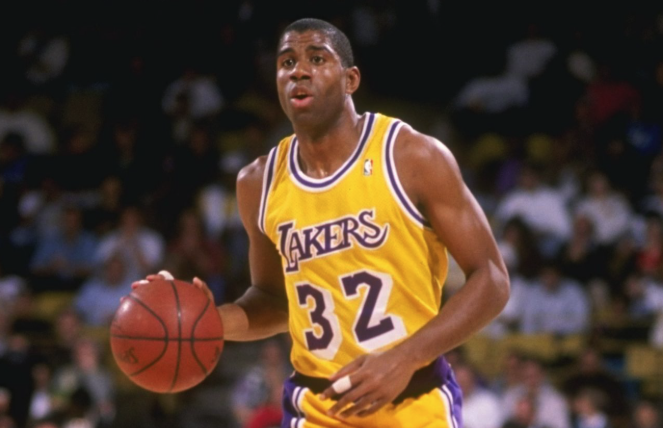
Magic Johnson made the basketball pass exciting and a skill (‘behaviour’) future basketball players tried to perform (here is one video of Magic Johnson's Most Memorable Passes). You as a leader can make Leadership Passing exciting and a behavior throughout your organization.
An Inc. article to share:
Great Leaders Share 3 Rare Behaviours. Most Bosses Skip All of Them
Powerful Ideas:
“Don’t worry about the level of individual prominence you have achieved; worry about the individuals you have helped become better people.” - Clayton Christensen
“Do not look to shine, look to make the guy next to you shine”, - France National Rugby team before a Six Nations match
“There is no limit to what a man can do if he doesn't mind who gets the credit” - Ronald Regean, a sign he kept on the Oval Desk
“Be who you are and do what you do, as long as you’re here for the team.” - Pete Carroll
“Think lightly of yourself and think deeply of the world” - Miyamoto Musashi
New Year’s resolution

Date: 05 January 2026
Resolution that everyone should have
It is that time of the year again where we make New Year’s resolutions. Some resolutions are big and reach for the stars, some are small, some we make and some we fall short of.
If there is one resolution I suggest we all consider is to Think Big, but Start Small. Another way to look at it is to build up the habits you need (start small) to achieve the ultimate goal you want to achieve (think big).
The example I use when I talk to people about this is an example of deciding to run your first marathon. For the purpose of the example, let's assume you are not even a runner and your schedule would only allow you to train in the morning. What is your first step in thinking big, but starting small? Your first step may be as simple as setting your alarm clock at a certain time and just waking up and getting out of bed. Do this for a period of time (e.g. a week) so the task of waking up early is no longer a task or a road block. The next task for the next 2 or 3 weeks could be to just go for a walk. Use the time to figure out how you will use this time effectively. Experiment with podcasts, music or just reflecting in preparation for the day. This is then followed by setting a running routine and so on.
Achieving your goals this way helps you build the habits (long term) that are needed to achieve your goals. The other benefit is that these tasks (however you break them down) are easily achievable. Don’t worry how you look today, but think about how you will look 3 months from now
Know that anything good requires hard work and effort. The hard work can come in the form of time, dedication, consistency, and just hard work. Know that the short cuts will usually have you failing over a period of time. “Efforts compound everyday” - James Clear
Finally, think of the compound effect of consistency equals intensity. You are better off being consistent, building up the habits needed, to win in the long run. “Embrace the boredom of consistency”, Juston Su
Wishing everyone a happy and healthy New Year, and for a better 2026 to all
“It is better to do less than nothing at all … no more zero days”, James Clear, author of Atomic Habits
“You are never too good to get better”, Juston Su’a Head of Mental Performance for the Tampa Bay Rays
6 principles of an elite mindset:
1️⃣ You’re never too good to get better.
2️⃣ Do what you do on purpose, with purpose.
3️⃣ Little by little, a little becomes a lot.
4️⃣ Focus on the process, not the results.
5️⃣ Embrace the boredom of consistency.
6️⃣ Learn from failure.
Can’t and Won’t, but did you try
Date: 15 December 2025
I recently read a story about a lesson one of the LA Lakers team managers learned from Pat Riley, the LA Lakers coach at the time.
The team had just landed in Washington DC at 01:30AM. That evening they had a game against the Washington Bullets (now known as the Wizards). The players were to check into their hotel rooms, get rest and be ready for the bus to take them to their shoot around practice at 09:30AM.
As they were leaving the airport, the team manager reminded Pat that he had organized the shoot around practice to take place at the Capital Centre, the home arena of the Bullets. The problem was that Pat Riley did not want to have practice in the opponents home arena, so he asked the team manager to find another place.
The team manager went on to say that he cannot do that. It is 01:30 in the morning and all the logistics would have to be reorganized. Pat Riley went on to say, “But did you try.” (Pat Riley used this phrase with his players when they said “but I can’t.” This was part of his coaching philosophy.)
The story ends with the LA Lakers having their shoot around practice at the basketball facilities of Georgetown University. The team manager tried, and found a way.
This reminds me of Yoda famously telling Luke Skywalker, "Do. Or do not. There is no try," meaning you either fully commit and do something, or you don't, as "trying" is just an excuse for potential failure and a lack of full dedication, implying that belief and action are key to succeeding with the Force.
Three key points here for me
At times, we all need to get rid of the phrases ‘cant’ and ‘wont’ from our lexicon.
Whether it is ‘to try’ or ‘to do’, just take the first step. As with a child learning to walk, the first, second, third … steps will be hard and not look good, but focus on where you will be and what you will have learnt in 3 months time.
Leaders need to create the culture of allowing people to try and do. Weigh the risks of the trying or doing, against the reward you, the person trying or doing, the team and the company will get.
Belonging
Date: 08 December 2025
I have recently read 3 great books on leadership, focused on team development and building a sports dynasty (winning multiple championships)
Eleven Rings by Phil Jackson
How Phil Jackson, as a coach, won 11 NBA Championships
This along with ‘The Trillion Dollar Coach’, which is the playbook of Bill Campbell, are my two all time favorite books
The Fearless Organisation, by Amy Edmunson
Creating psychological safety in the workplace for learning, innovation and growth
Cultures of Growth, by Mary C Murphy
How the new science of mindset can transform individuals, teams and organisations. (Mary was the student of Carol Dweck who wrote Mindset, another great book on Leadership and Parenting).
When I read these books, I always try to take away 3 learnings from my readings to reflect on and to practice as a new behaviour. Any more than three, will be an overload that will not allow me to develop new habits. But after reading these three books, the one learning that I never read - or at least stood out and stuck with me - was the importance of BELONGING … and it is just so obvious to me now.
People have a natural desire to want to belong to a cause or a team. One of the main characteristics of an effective team is formed because the people have a sense of belonging to the cause and to the people that make up the team.
We will all know of, or may have unfortunately experienced, a person who was ostracized from a society or a group. The impact it has on the individual can be very harmful and long lasting; but if you are responsible for building a true team, then you need to realize the harmful effect it will have on the team as well.
When Michael Jordan went into retirement for the first time in his storied NBA career to go and try to play professional baseball, he rediscovered the sense of belonging. Spending time with his baseball teammates had him rediscover the joy of bonding with others.
Creating the culture of Belonging is now such an obvious leadership principle to me. Implementing this principle in the safety of a book is very different then implementing and practicing it in real life situations. As leaders we need to make difficult decisions, we need to have honest conversations, and we need to do this with all our own flaws. Creating a Belonging culture sounds easy and obvious, but in practice or in the heat of the moment, it is not always going to be easy and obvious. My only suggestion when it is one of these difficult moments, is to be authentic and let your intentions guide you.
If this concept resonates with you, then become the Affiliative type of Leader:
Affiliative leaders create emotional bonds and harmony.
They’re communicators and relationship builders. Their mindset is, “People come first.”
This style values people above all else. These leaders want people to be happy and motivated.
At its best, this style inspires fierce loyalty and drives teamwork.
These leaders are positive and build a sense of belonging in an organization.
They are culture builders.
I know we need more of them in our environments
Other thoughts on Belonging:
Guy Kawasaki's Remarkable People podcast:
Vanessa Druskat: How to Build Emotionally Intelligent Teams
“In order for connection to happen, we have to be able to be seen”, Brene Brown
Maslow's Hierarchy of Needs
Time and Reflecting

Date: 01 December 2025
At many points in our life, we all say “I wish I had more time”
We want the time to finish work, to exercise, to enjoy our hobbies, to try something new, to read … time to spend doing whatever it is that we enjoy and/or tasks to accomplish.
We also realize that we need more time to spend with loved ones, especially the ones we have not given enough of our time to, as well as to stop and regroup our thoughts, our mind and our actions … time to give to whatever it is that we as humans really need.
These days, what I enjoy most about the time that I have had is to be with loved ones, friends, colleagues, reading, playing tennis and to reflect.
But like most things, there are two sides to the coin.
With time, comes reflection. Reflecting can be so powerful. One concept I learned at Bridgwater Associates (Ray Dalio) is that:
PAIN + REFLECTION = GROWTH
At a recent presentation I made at a company offsite, I spoke about the PAIN I experienced in not making the ‘18-month’ mark at Bridgewater. But if I had not spent the time to reflect on what were my responsibilities for not making it, I would have never grown as a person and an employee. It took me a number of months to realize where I failed. Once I figured it out, it was a huge release for me and it set me free to grow from that experience. Even my wife noticed the change in me. When she asked me what I learned, I told her that you need to embrace your failures. She then gave me a huge hug, and walked away … for those that know me, you will know that this is a Dad Joke!!
The PAIN is the mistake or the failures one makes.
The REFLECTION is the why or how it happened. But the key here is in reflecting on your responsibilities, and not to blame it on someone else, a process or the company. We all have some responsibility in our mistakes.
The GROWTH is the learning
But having too much time to reflect is the other side of the coin, the dark side of the coin. The more time you spend here, the harder it is for you to get out of this space and move on. You need to reflect but you cannot let it control you. So how do you get out of it?
This is where you find the value of your networks. We all have, or should have, several networks that we lean in on when we need them. There is your ‘challenge network’ (Adam Grant), our most trustful and thoughtful critics. These are the people who really know who you are, those who will be honest becasue they care for your success and will help you grow. We have our ‘support network’ who are there for you during the hard times. They care for you, they help you think of your next actions - reminding you who you are, and they cheer you up during tough times.
My networks are made up of family, former bosses and business colleagues, friends and even new relationships that really know the ‘why’ of their roles has to do with the human side of their job. These networks have been invaluable to me during the darker times.
The best advice I have received from this network was to remind me who I am, and to use that as guidance on my next steps (thank you Ben).
A couple of excerpt and quotes from the book Eleven Rings - The Soul of Success, which I recently read and is one of my all time favorite books, that may also help:
Before enlightenment, chop wood, carry water. After enlightenment, chop wood, carry water. The point being: Stay focused on the task at hand rather than dwelling on the past or worrying about the future.
Being present in the moment as much as possible, not weighed down by thoughts of the past or the future.
“Forget mistakes, forget failures, forget everything, except what you are going to do now and do it. Today is your lucky day” - Will Durant
“We are all failures - at least the best of us” - J.M. Barrie
Is there really any other thought this week?
Date: 21 January 2021
'For there is always light, if only we're brave enough to see it. If only we're brave enough to be it'
Thank you
Date: 01 January 2021
Thank you 2020 for reminding me that I am one of the few lucky ones in the world.
I was fortunate not to lose any loved ones or have loved ones with lasting effects after their battle with the virus.
I was fortunate not to be without a home, or a home without heat and cool air and to have a home full of love.
I was fortunate not to have had to stand on a food line to feed myself or my family.
I was fortunate to be safe and not risk my health as so many essential working heroes had to do.
The year 2020 also allowed me to re-connect with friends and colleagues. Some colleagues become friends and some friends became brothers and sisters. I also made new friends and colleagues, who I hope to one day give a big hug.
I thank you 2020 for reminding me of how lucky I am.
PS Many years ago, I read the book, The Greatest Generation by Tom Brokaw. This book has always stayed in my mind and continues to remind me of how lucky I am.
Person of the week (really the year)
They are all the essential workers. The people that kept us safe … the healthcare workers, police officers, and fire fighters. All the people who conducted repairs after a storm so we could have our electricity and running water back. They are the people who kept our supply chain running, especially everyone who works at our grocery stores. They are all the delivery people who delivered millions of packages to so many people. They are the unsung heroes that we walk by on the street, and not knowing that they helped us throughout 2020.
A race we can all come together on
Date: 13 December 2020
It has been a while; I have been tied up with a number of projects but I also have had my excuses.
I had wanted to send this thought-for-the-week, during the week of November 8th, but here we are the week of December 13th and this thought-for-the-week is still relevant.
The below three stories have to do with a race and how the competitors treated each other. ‘Crossing the Finish Line Together’ has been a story that has stayed with me for many years and I try to be the person ‘running in the other direction’.
I hope that more people will agree than disagree, that this is a race we can all come together on.
Crossing the Finish Line Together
Based on a true story which happened at the 1976 Special Olympics in Seattle, Washington.
Years ago, at the Seattle Special Olympics, nine contestants lined up at the starting line for the 100-yard dash. At the sound of the starting gun, they all started off in their own way, making their best effort to run down the track toward the finish line. That is, except for the one young boy who stumbled soon after his start, tumbled to the ground and began to cry. Two of the other racers, hearing the cries of the boy who fell, slowed down and looked back at him. Then without hesitation, they turned around and began running in the other direction—toward the injured boy.
While the other contestants struggled to make it to the finish line, the two who had turned around to run in the other direction reached for the boy and helped him to his feet. All three of them then linked arms and together they walked to the finish line. By the time the trio reached the end, everyone in the stands was standing and cheering, some with tears rushing down their faces. Even though by turning back and helping the boy who fell, they lost their own chance to win the race, they all had smiles on their faces because they knew they had done the right thing.
Max and Marvin
The highlight of a Special Olympics event last weekend at North Rose-Wolcott High School in New York came during the 50-meter dash, where two competitors reminded all of us why we love sports.
Max and Marvin, best friends who had never before competed together according to local news station 13WHAM, lined up for the race. The gun fired and Max raced out to an early lead, but he noticed his friend was falling behind.
Without hesitation Max retreated, grabbed Marvin's hand and helped him through the rest of the race. The two crossed the finish line hand-in-hand, encouraged by the thunderous applause and cheers from the crowd.
A True Story of a True Champion
The race to the finish between Abel MutI and Ivan Fernandez
Person of the week
The Person of this week is to all the team players that I have been honored to work with and at times, to represent. They did what was needed to be done, regardless of title or responsibilities. They carried the team at times, and they lifted others when it was the time of others to carry the team. There are too many to list, but I thank them all
The Benefits of Juggling while Blindfolded
Date: 24 October 2020
I bring together two stories in this thought-for-the-week. The first story comes from a comment a professor from my Executive Management program told us around the topic of prejudice, ‘We all juggle our prejudices’. The second story comes from the final chapter of Malcolm Gladwell’s book Blink where he talks about blind auditioning. I have reflected on these two stories, along with my many experiences and learnings I have had in my life and career, to help me make better people decisions. One example being in the hiring for a particular role and how I assess the ‘what’s’ to determine who I hire.
First on the prejudice comment. This statement has stayed with me for many years, and I use it to challenge my people decision making. It is hard to say that we do not have prejudices – defined as ‘preconceived opinion that is not based on reason or actual experience’. We all have had an, or many, experiences that have potentially led us to have a preconceived opinion that is not based on reason. We all, at times, have listened to a single side of a story that has led us to have preconceived opinion that may not be based on reason or facts. We all have been brought up in different ways, read different books, watched different TV and interact with social media in different ways. Based on this, it is hard to say we do not have any conscious or unconscious prejudices. How I have challenged myself to ensure I am not making a decision or having a view because of my prejudices, is by asking myself, ‘Am I just juggling my prejudices here?’
Malcolm Gladwell’s book Blink is about how we think without thinking, about choices that seem to be made in an instant – in the blink of an eye – that actually aren't as simple as they seem. His last chapter is how one of the German Orchestras (I think it was the Berlin Orchestra) was holding an audition for a tuba player. The judges decided to hold a blind audition by having each musician perform behind a barrier so the judges can just listen to the sound being performed. Each musician was identified by a number (e.g. #123) as opposed to their name. When the judges decided who the best sounding tuba performer was, they asked for Herr #123, but out came Frau #123. The judges apologized and said they had asked for Herr not Frau #123. Frau #123 politely said, I am #123 and I am Frau #123.
I have used these two stories, plus the good and bad that I have learned over the years in hiring across multiple organizations, to first define ‘why’ I am hiring, the ‘what’s’ of what one needs to hire, and ‘how’ each of these ‘what’s’ will be assessed.
What are the ‘what’s’? The best set of ‘what’s’ that I have learned and used, is what I was taught at Bridgewater by my team. We first define the role and then define what Values we except for our culture, what Abilities are needed for this hire and what Skills are needed with this role ... all for today and the future. I have since added to define the first 6-month objectives for this hire. I then chose the people who are best placed to interview for the defined Values, Abilities, Skills and 6-month objectives. To avoid the common feedback of, he or she is a ‘nice guy’, I ask to hear not just the pros, but more importantly, the cons of the candidates. It is rare to have the perfect candidate, so assume your candidate will come with some faults. Knowing the faults will help you as a manager, manage that person to help her / him succeed. After-all, why make the hire, if you as a manager are not going to help them succeed?
Voting in the upcoming US elections
As I think about the 2020 Presidential election, I will use the Values, Abilities and Skills thinking to help me make my decision on who I will vote for. For me, the role of President of the US is a very complex. As I see it, one is leading 330 million people, of all genders, color, religions and beliefs, each having different needs and wants. The role needs to work with the different branches of government and bring them together to actually get things done. For me, the role requires global thinking and collaboration. It requires one to make the right long-term decisions for the next generations in the US and across the World. Most importantly, I try to assess how he or she makes decisions, in other words, what are their decision-making principles. This is important because this leader will be faced with many novel challenges and how they make decisions, will be an example to us all. I do not assume that all my needs, wants or beliefs will be met by anyone person, but, I do believe in the framework I outline above to make my decision.
We may not agree on what the role entails but whatever your views are, however, you define the role, just make sure you go out and vote, but try and vote with what you think the right Values, Abilities and Skills are needed. Whatever the outcome, wish us well.
Person of the week
One of my favorite podcasts is Hidden Brain. Shankare Vedantam uses science and storytelling to reveal the unconscious patterns that drive human behavior, shape our choices and direct our relationships. At the end of his podcasts, he talks about an unsung hero. I would like to follow his lead and mention a Person that is in my thoughts because of who they are.
The Person of this week is Albert. I met Albert while I was working at HSBC in London. Everyday Albert wore a uniform and always had a smile. Based on his ‘job’, I am going to assume that his main role in his written job description was to organize the mail for the trading room. But Albert was so much more than that. He did not follow what was written as his job description, because he was goal oriented. Albert saw his goal as making sure everyone had a good day. He ensured everyone on the trading floor had the resources they needed, rooms and meeting areas were organized, helped with so many issues (work and personal) because he knew one did not have the time, and he made sure we all experienced a smile in their day.
Thank you, Albert, and to all the Alberts out there, thank you. You always made my day.
Who is responsible for learning?
Date: 24 September 2020
If you believe that as a parent, a manager or leader you have a responsibility to teach, read on. If you do not, then this thought-for-the-week is not for you.
I love learning from people who look at things in a different way and are not afraid of trying new ‘ways of doing’.
This past weekend, I listened to an episode of NPR’s (National Public Radio) Podcast: The Hidden Brain, titled – When Everything Clicks: The Power of Judgment-Free Learning.
The focus of this podcast is on the role and responsibility of the teacher in learning and on a very different way of teaching.
It is the teacher who designs the world in which the student learns. A critical role is in designing the learning experience that it is natural, commonplace, eliminates all the noise in learning and provide objective and instantaneous feedback.
The podcast will explain it better than I can, but if this topic interests you, I encourage to listen to this podcast (51 minutes).
To all the Darlene’s I have interacted with, thank you. You will need to listen to the end of the podcast to understand this.
P.S. A thank you to my wife, Lauri, she always recommends the best podcasts for me to listen to and the best books to read.
Intention
Date: 15 September 2020
Intention: A determination to act in a certain way
One knows when they have a trusting partnership with an individual or a team, when no matter what one says, or ‘how’ it is said, the other knows what the intention is. It takes years to build this trust and it happens through a deep level of communication. When you have this type of relationship, you will see that it is a great way to work together as a team. You learn, you grow, you get feedback, you are motivated, you feel safe and you have great synergy.
You see examples of this synergy in ‘championship’ moments when players come together during difficult, pivotal and emotional times in a game. You see this with certain player / coach relationships, as the coach tries to get the player to the next level by motivating and pushing them. It works because of the relationship that was built over time, the deep level of communication they practiced and because they each knew that the actions were motivated by good intention. This takes time, so how do you get there quickly?
Start off with having a mindset of knowing the intention of your upcoming action or communication. This will help you find the right way to act and find the right words to say. In the heat of the moment when one makes a mistake or is clearly not coming across in the way they want, pause, explain your intention and start over. As long that as it is a good intention, these moments will make your relationship stronger.
Do as I say, and not as I do
Date: 02 August 2020
I remember teaching my first child how to drive. I would tell him all the basics – stay focused, keep two hands on the steering wheel, do not multi-task and keep your eyes on the road. I did this while having my window open, my arm out the window, changing the channel on the radio and steering the car using my wrist. All I was missing was the dangling cigarette in the corner of my mouth while eating a sandwich. As I realized what I was doing, I told my son, ‘do as I say, and not as I do’.
I may be exaggerating a bit, but I know this was not the first time I was being a hypocrite. This moment, and its visual, has stuck with me. Since that day, and especially as my children were becoming adults and can see all my faults, I wanted to make sure my moments of ‘hypocrisy’ were fewer and fewer in all that I did.
The other day I was having an email conversation with a new ‘colleague’. Our working relationship was fairly new, and we were still getting to know each other, virtually. The email this person sent was on a deliverable that I owed him. He then quickly followed up with a second email to ensure that I understood the intent of the first email, and that the email was not supposed to have ‘teeth’.
I started laughing right away and sent him my blog on Content vs Style, and went on to say that I read the content of the email and not the style – and by the way, he was 100% right in the content.
Unknown to me, one benefit I have achieved from writing my ‘thought-for-the-week’ blog, is that they have also helped me reduce my moments of hypocrisy and have kept me accountable to myself.